
Birdwatching in Lesvos – A Complete Guide to One of Europe’s Best Birding Destinations
Lesvos is widely regarded as one of the most exciting birdwatching destinations in Europe. Located in the northeastern Aegean Sea, just a short distance from the coast of Turkey, this remarkable Greek island sits at a natural crossroads between Europe, Asia, and Africa. Its geographical position, combined with an extraordinary diversity of habitats, makes Lesvos a magnet for migratory birds and a paradise for birdwatchers and nature photographers.
Every spring, thousands of birdwatchers from across Europe visit the island to witness the spectacular migration that unfolds across its wetlands, olive groves, volcanic hills, and coastal lagoons. From colourful bee-eaters and rollers to rare eastern passerines and impressive raptors, Lesvos offers an unforgettable birding experience in a landscape shaped by both nature and centuries of traditional land use.
Landscapes and Habitats of Lesvos
Lesvos covers approximately 1,630 km², yet within this relatively compact island unfolds an extraordinary diversity of landscapes shaped by volcanic history and the Mediterranean climate. Two major mountain massifs define the island’s geography — Mount Lepetymnos rising in the north and Mount Olympos in the south — with the wide and productive Gulf of Kalloni lying between them. This shallow gulf forms the ecological heart of the island and one of the most important wetland systems in the entire Aegean.
Travelling across Lesvos reveals a remarkable mosaic of habitats within short distances, each supporting its own distinctive wildlife.
Around the Gulf of Kalloni, extensive wetlands dominate the landscape. The Kalloni Salt Pans, Polichnitos Salt Pans, the Ntipi reedbeds, and the Tsiknias River delta form the core wetland network of the island. These shallow lagoons and mudflats attract large numbers of waterbirds throughout the year. Flamingos feed in the salt pans, herons and egrets patrol the marsh edges, while migrating waders stop to rest and refuel during their long journeys between Africa and Eurasia.
Beyond the wetlands, much of eastern and southern Lesvos is covered by vast traditional olive groves, some of them centuries old. These groves create a classic Mediterranean landscape interwoven with patches of phrygana shrubland, stone terraces, and small fields. In spring the ground becomes carpeted with wildflowers, while the trees and shrubs host a rich variety of warblers, shrikes, and buntings.
In the mountainous interior of the island, particularly around Agiassos and the slopes of Mount Olympos, the scenery changes dramatically. Here dense Calabrian pine forests and mixed oak woodlands dominate the landscape. These forests provide important habitat for woodland species such as the charismatic Krüper’s Nuthatch, several species of woodpeckers, and an impressive diversity of orchids and other woodland plants.
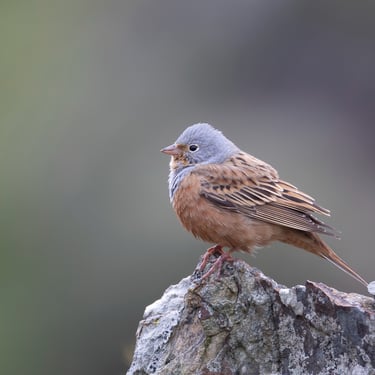
In contrast, the western part of Lesvos tells a very different geological story. Around Sigri, Eressos, and Ipsilou Monastery, the landscape becomes more open and rugged, shaped by ancient volcanic activity. Rocky hills, sparse vegetation, and wide open slopes create ideal habitat for larks, wheatears, buntings, and hunting raptors. These dry volcanic hillsides are also one of the best places in Europe to observe the Cinereous Bunting, a characteristic eastern Mediterranean species closely associated with this type of open, rocky habitat.
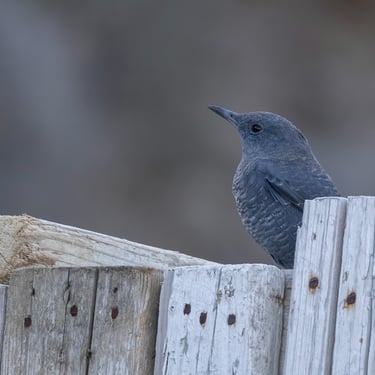
Along the island’s coastline, cliffs, rocky islets, sandy beaches, and shallow coastal waters provide further habitats for wildlife. These coastal environments support seabirds, gulls, and migratory shorebirds, adding yet another layer to the island’s ecological richness.
Together, this extraordinary variety of landscapes — from wetlands and olive groves to forests, volcanic hills, and coastal habitats — makes Lesvos one of the most important biodiversity hotspots in the eastern Mediterranean and a truly exceptional destination for birdwatchers and nature enthusiasts.
Why Lesvos is Famous for Birdwatching
Lesvos has become internationally famous among birdwatchers for several key reasons. The island lies directly on the Eastern Mediterranean migration route, making it an important stopover for birds travelling between Africa, Asia, and Europe. During spring migration in particular, thousands of birds pass through the island, creating one of the most exciting birdwatching spectacles in the Mediterranean.
Because of its close proximity to Turkey and Asia Minor, Lesvos hosts several species that are rarely seen elsewhere in Europe. For many visiting birdwatchers, these eastern specialties are among the main attractions of the island. Notable examples include:
Krüper’s Nuthatch
Cinereous Bunting
Rüppell’s Warbler
Eastern Orphean Warbler
Masked Shrike
Accessibility
Most birdwatching sites on Lesvos are easily accessible by road, often located within short driving distances from one another. This makes the island one of the most convenient places in Europe to observe a wide variety of species in a limited amount of time.
Best Birdwatching Locations in Lesvos
Perhaps the most famous birdwatching site on the island, the Kalloni Salt Pans attract thousands of birds during migration, with flamingos, avocets, black-winged stilts, and numerous species of waders gathering in the shallow pools and mudflats. Nearby, the Ntipi wetlands provide excellent habitat for reedbed species such as herons, bitterns, and various warblers, while the Tsiknias River serves as an important migration stopover where waders, raptors, and passerines can often be observed. The coastal pine forest of Achladeri is well known among birdwatchers as one of the best places to see Krüper’s Nuthatch, a characteristic eastern Mediterranean species that breeds in the island’s mature Calabrian pine woodland. Further west, the hilltop area around Ipsilou Monastery offers excellent vantage points for observing raptors, buntings, wheatears, and migrating passerines, while the open volcanic landscapes around Sigri host species adapted to dry, rocky habitats, including larks, wheatears, buntings, and occasionally the distinctive Cinereous Bunting. Together, these locations form the core of birdwatching routes on Lesvos, allowing visitors to explore a remarkable diversity of habitats and species within relatively short distances.
Best Time for Birdwatching in Lesvos
Spring is the peak birdwatching season on Lesvos, when migrants arrive daily and the diversity of species can be truly extraordinary. During summer, breeding species dominate the landscape, while the island’s rich botanical diversity also becomes particularly impressive. In autumn, migration continues as many raptors and passerines move southwards across the island. During winter, the wetlands host significant numbers of ducks, flamingos, and other waterbirds, offering rewarding birdwatching opportunities even in the quieter months.
Beyond Birds – Other Wildlife of Lesvos
Lesvos is not only a paradise for birdwatchers. The island also hosts remarkable biodiversity including:
Orchids – more than 90 species recorded
Butterflies and other insects
Reptiles and amphibians
Rich marine life along its coasts
The famous Petrified Forest of Lesvos, a UNESCO Global Geopark, adds an important geological dimension to the island’s natural heritage.
Birdwatching Tours in Lesvos
Exploring Lesvos with an experienced guide can significantly enhance the birdwatching experience. Local guides know the best seasonal hotspots and can help visitors locate rare or difficult species.
Guided tours often include visits to the island’s most productive wetlands, forests, and volcanic landscapes while also introducing visitors to the local culture and traditional villages.
👉 Explore guided birdwatching tours in Lesvos:
https://aegeanbirding.gr


info@aegeanbirding.gr
© 2025 Aegean Birding. Eyes on Sky. All rights reserved.