
From Kerkini to Evros Delta – a winter day on the road and in the field
From icy roads at dawn to raptors over winter fields, a guided birding day from Kerkini to the Evros Delta with unforgettable wildlife moments.
GUIDED TOURS
Lagoons, pelicans, and winter familiarity
From Porto Lagos we explored the wider lagoon system of Lake Vistonida, including the iconic church rising from the water — a landmark that always adds atmosphere to the landscape. Birdwise, the area held a typical winter assemblage, without major surprises. But familiarity often allows space to slow down and enjoy behaviour rather than numbers. Raymond spent long moments with Dalmatian Pelican (Pelecanus crispus) and his “little friends”, the Pygmy Cormorant (Microcarbo pygmaeus) — species that combine strong presence, character, and photographic charm. We had also our first White-headed Ducks (Oxyura leucocephala) for the tour with some Common Pochards (Aythya ferina), Tufted ducks (Aythya fuligula) and Eurasian Wigeons (Mareca penelope).
Our day began well before sunrise at Lake Kerkini, headlights cutting through frost and darkness. With 3.5 hours of driving ahead, we were heading toward one of Greece’s most important birdwatching landscapes: the Evros Delta.
Driving conditions were demanding. Foggy stretches and icy sections meant slow, careful progress — not the easiest start behind the wheel, but often the most productive hours for wildlife. Somewhere along the roadside, a Eurasian Woodcock (Scolopax rusticola) burst suddenly into flight. It was gone in a flash — too fast for me to fully register — but Raymond spotted it instantly. A classic Woodcock moment: brief, unexpected, and unforgettable.
First light at Porto Lagos
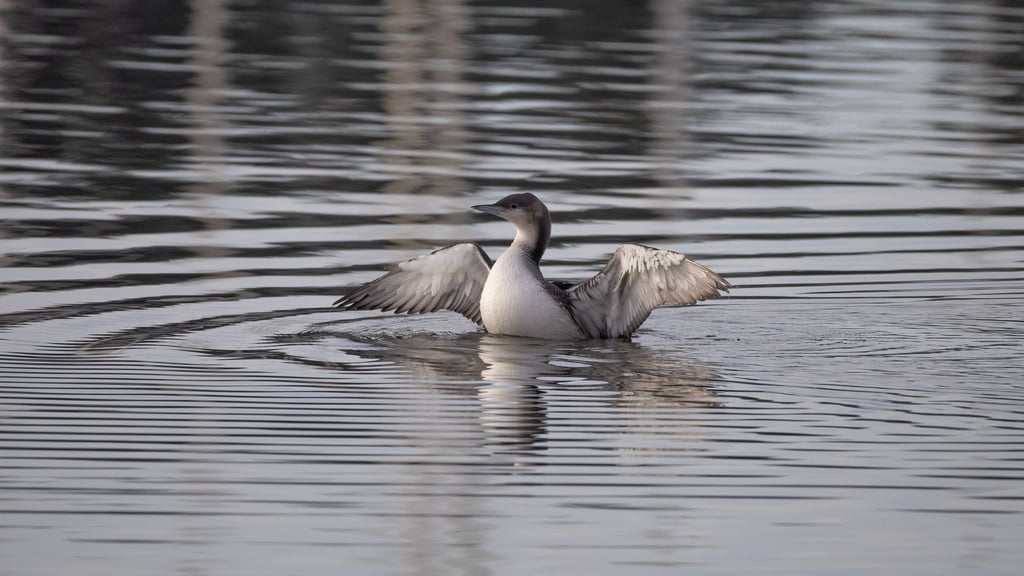
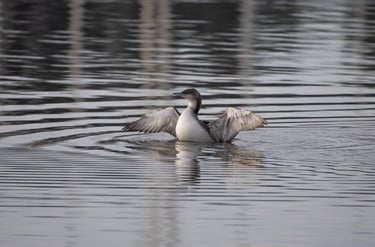
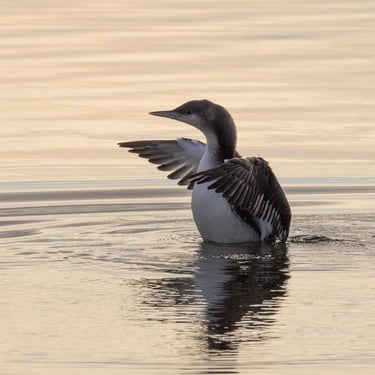
Our first stop was the harbour at Porto Lagos, just as the light began to soften. Right there, waiting for us, was our first photographic target of the day: an Arctic Diver (Gavia arctica).
The bird was calm, close, and perfectly positioned. Flat water and gentle winter light created ideal conditions, allowing Raymond — a well-known wildlife photographer from Belgium — to secure excellent images straight away. A strong start that immediately set the tone for the day. You can find Raymond's work here: https://pbase.com/raydes/northern_greece_2026
A European Wildcat (Felis silvestris) crossed the road directly in front of us and vanished into dense vegetation. Raymond instinctively tried to relocate it — and suddenly, the cat burst out again, crossed the road once more, and disappeared for good
No photos.
No second chances.
Just a raw, unforgettable encounter with true wilderness.
End of the day
As the light faded and winter tones deepened, we finally arrived at our base in Alexandroupoli late in the afternoon. A long day on the road and in the field came to a close — demanding, cold, and deeply rewarding — the kind of winter birding day that stays with you long after the engine is turned off..
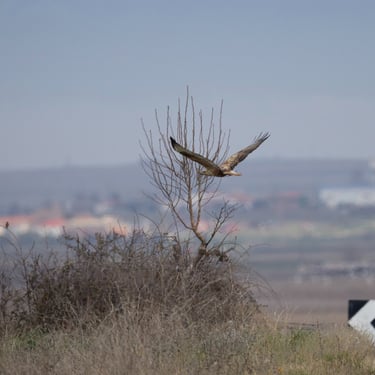
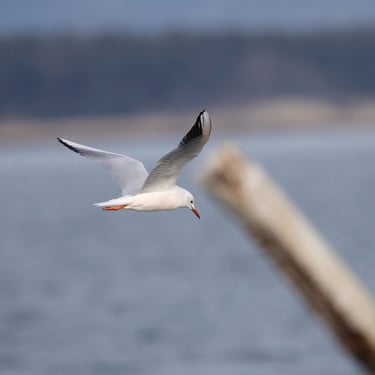
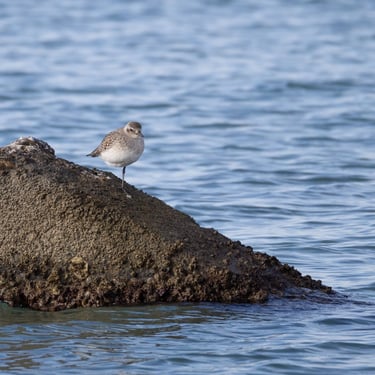
Raptors and an unexpected encounter
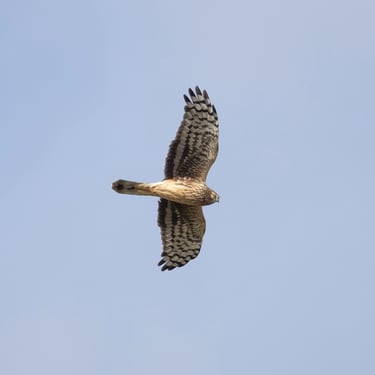
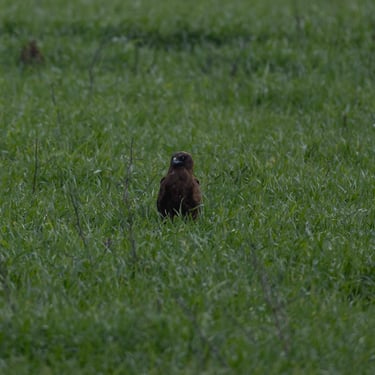
Even without the bustards, the fields around Ismarida were far from quiet. The open mosaic was full of hunting Marsh Harriers (Circus aeruginosus), quartering low with slow, deliberate wingbeats, perfectly adapted to exploiting winter prey concentrations.Among them, one bird immediately stood out: a single, very pale Long-legged Buzzard (Buteo rufinus). Its washed-out plumage and powerful build contrasted beautifully with the muted winter colours of the fields, offering a textbook comparison of raptor strategies within the same landscape. Then came one of those moments no one plans for.

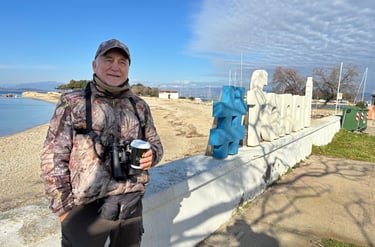
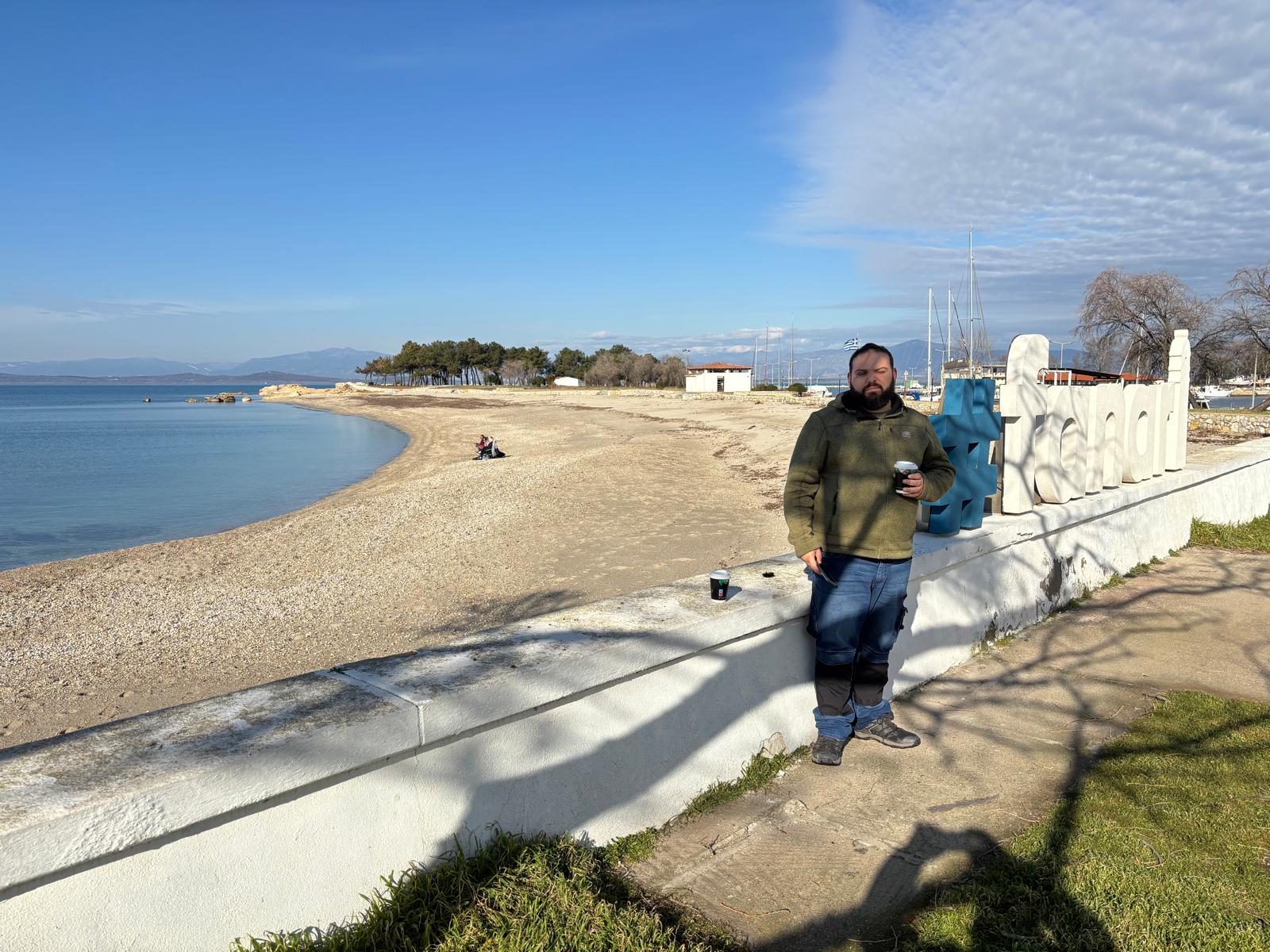
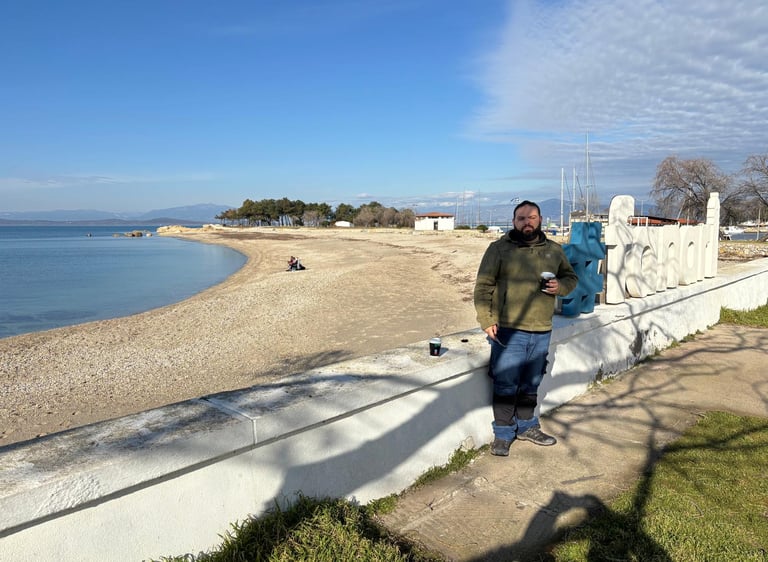
Me and Raymond enjoying our coffee at Fanari


Coffee, refuelling, and new expectations
A short stop at Fanari harbour was essential — fuel for the car and coffee for both of us, the real currency of winter birding days. Re-energised, we continued toward Lake Ismarida. The motivation was clear: the previous day, a local birder had reported Little Bustards (Tetrax tetrax) in the wider area. We searched slowly and methodically, scanning fields with care and keeping disturbance to an absolute minimum. This time, the bustards didn’t show — a familiar outcome in open agricultural landscapes.
Landscape photo of Lake Vistonida by Raymond De Smet
info@aegeanbirding.gr
© 2025 Aegean Birding. Eyes on Sky. All rights reserved.