
Three Winter Days at Lake Kerkini: Frost, Pelicans, Eagles and Wild Encounters
A winter birdwatching and wildlife photography experience at Lake Kerkini, with pelicans, eagles, cranes, finches and mammals in a frozen yet vibrant landscape.
GUIDED TOURS
A Light-hearted Moment with Dalmatian Pelicans
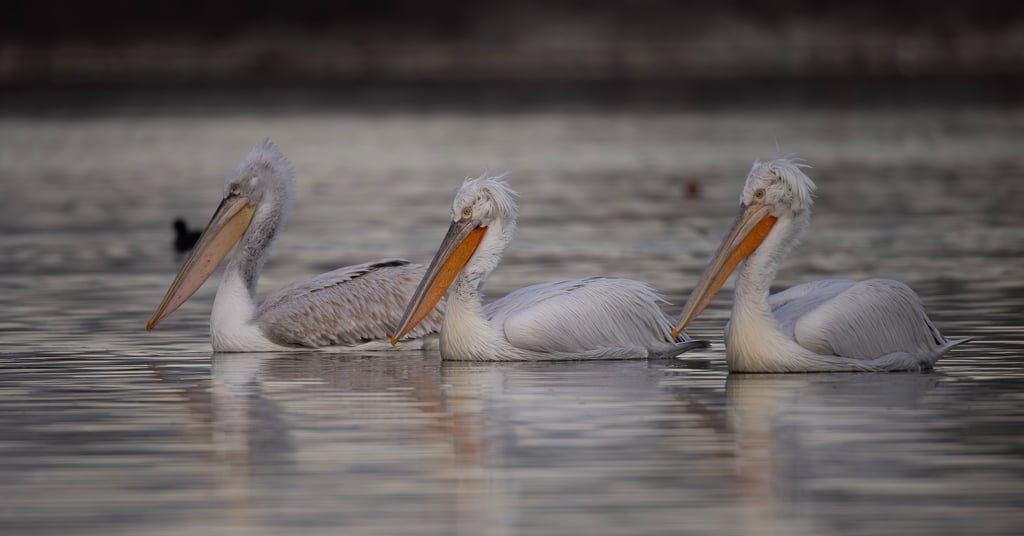
One of the most memorable—and amusing—moments of the trip took place at Lithotopos. We found three Dalmatian Pelicans resting calmly on the water when Raymond, half joking and half experimenting, started throwing small stones into the lake, creating gentle splashes similar to those made by fishermen when discarding fish. The pelicans immediately became curious. Slowly and deliberately, they began approaching us, clearly convinced that feeding might be involved. With every splash, they edged closer, raising their massive bills and watching us carefully, as if trying to understand whether we were fishermen in disguise.
No feeding took place, of course—but the scene perfectly captured the intelligence and curiosity of these magnificent birds. Standing there in the freezing cold, laughing while photographing their approach, was one of those moments that stay with you long after the trip ends.
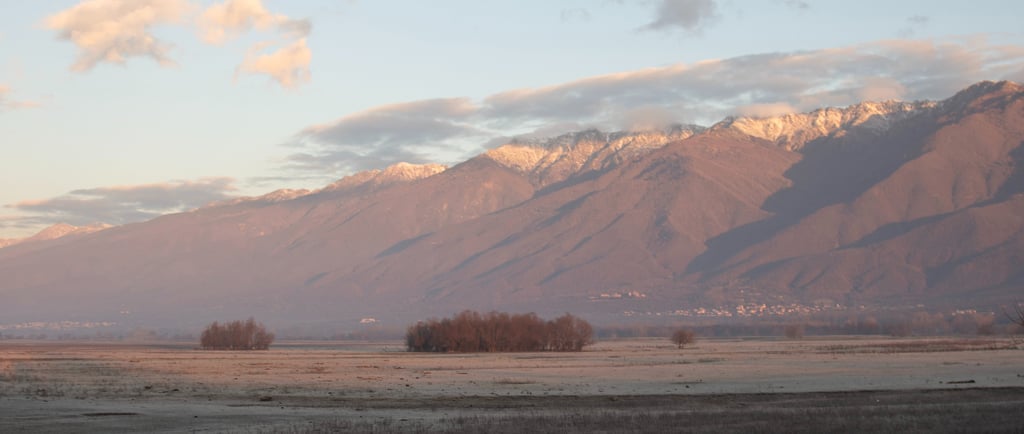
Frozen morning at Lake Kerkini and the snow at Belles mountain
January at Lake Kerkini is not for the faint-hearted—and that is exactly why it is magical. We spent three freezing days birdwatching and photographing wildlife at one of Greece’s most important wetlands, guiding Raymond De Smet, an experienced wildlife photographer who has been visiting Greece for more than 25 years. Despite his long familiarity with Greece, Kerkini in deep winter once again proved that it can still surprise. You can find his work here: http://www.pbase.com/raydes
Temperatures dropped as low as –4°C, and every morning the landscape was transformed. Reedbeds, open fields, fishing boats, and grazing buffalo were covered by a thin layer of frost, while mist hovered low over the water as dawn slowly revealed the lake.
A Frozen Landscape Full of Life
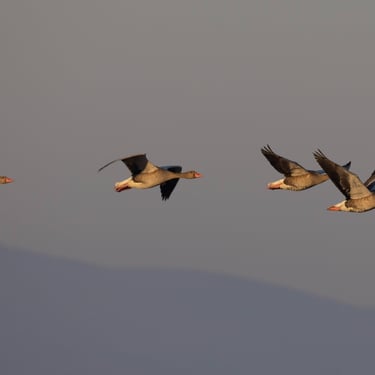
Despite the harsh cold, Kerkini was overflowing with life. Each day began before sunrise, cameras and spotting scopes ready, fingers numb but anticipation high. As the first light reached the lake, hundreds of Common Cranes (Grus grus) lifted off in waves. Over the three days, we recorded more than 350 cranes, their calls echoing across the frozen plains.
The lake itself held thousands of wildfowl, creating constantly changing scenes across the water and surrounding fields. Among them were:
Eurasian Wigeon (Mareca penelope), Mallard (Anas platyrhynchos), and Eurasian Teal (Anas crecca) in the shallows
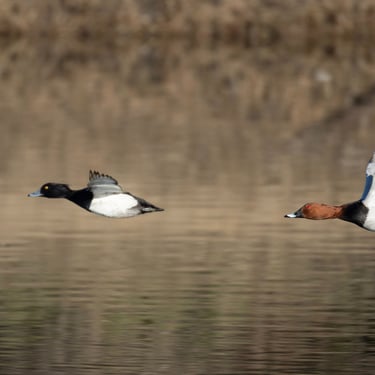
large flocks of Common Pochard (Aythya ferina) and Tufted Duck (Aythya fuligula) on deeper water
Gadwall (Mareca strepera) feeding quietly along the margins
a single Ferruginous Duck (Aythya nyroca), a notable winter highlight
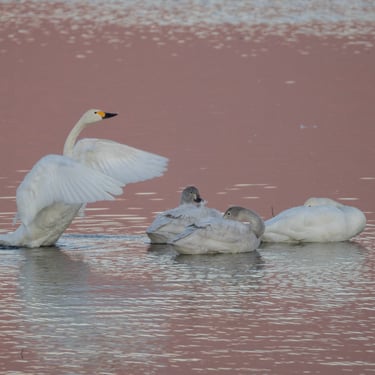
elegant Bewick’s Swans (Cygnus columbianus bewickii), adding a distinctly northern atmosphere
Sharing the frozen lake were the iconic Dalmatian Pelicans (Pelecanus crispus), moving slowly across the water or resting near fishing boats—an unmistakable symbol of Kerkini and a dream subject for wildlife photographers. We also encountered a good number of Pygmy Cormorants (Microcarbo pygmaeus), one of Raymond’s favourite subjects. Their confiding behaviour, expressive poses, and constant activity made them irresistible for photography—and by the end of the trip, we had affectionately started calling them our “little friends.”
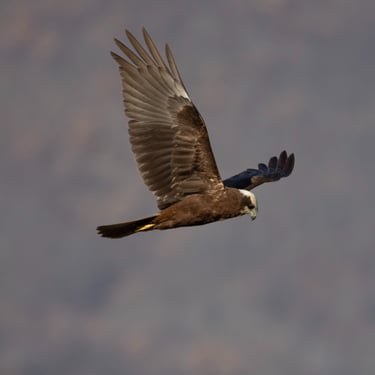
Above the reedbeds and wet meadows, many Marsh Harriers (Circus aeruginosus) were constantly on the move, quartering low over the wetlands throughout the day—one of the most characteristic sights of winter at Kerkini.
Winter Passerines on the Frosted Fields
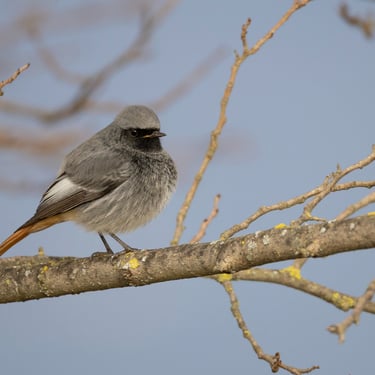
Away from the open water, the frozen fields, hedgerows, and lakeside trees were alive with flocks of passerines. Large groups of European Greenfinch (Chloris chloris) and European Goldfinch (Carduelis carduelis) were feeding actively, adding colour and movement to the winter landscape. Among them were several Hawfinches (Coccothraustes coccothraustes), powerful-billed and discreet, often perched high in trees or dropping briefly to feed. These quieter moments added intimacy and balance to the experience, reminding us that Kerkini’s winter richness extends far beyond the lake itself.
Raptors Dominating the Skies
Raptors were one of the strongest features of the trip. During our stay we observed:
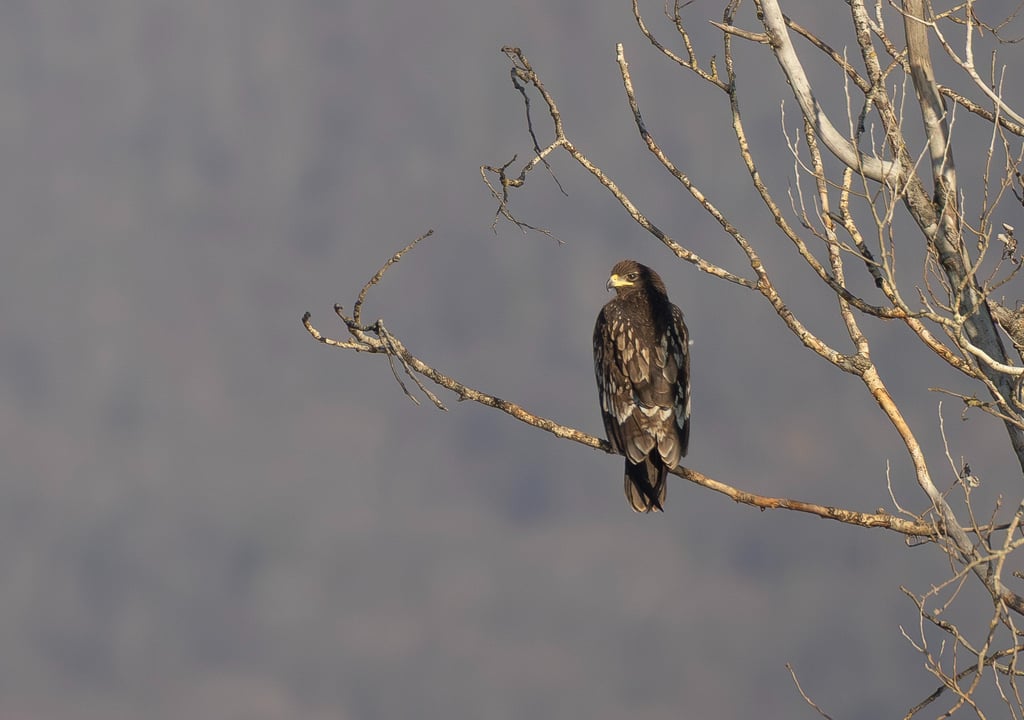
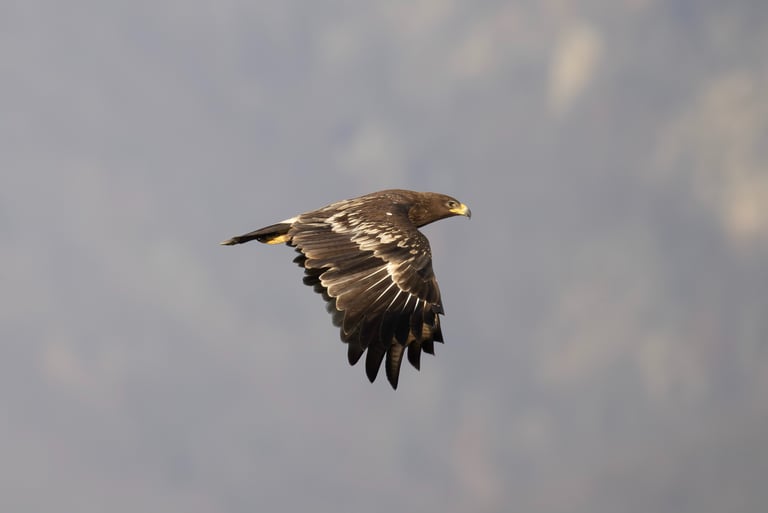
Greater Spotted Eagle (Clanga clanga) – 5 individuals
White-tailed Eagle (Haliaeetus albicilla) – 2 individuals
Watching these powerful birds soaring low over the lake—sometimes sharing the same frame with pelicans or harriers—was unforgettable. Against a backdrop of frost, mist, and snow-dusted mountains, Kerkini once again showed why it is regarded as one of the top winter raptor destinations in Greece.
Woodpeckers of the Lakeside Forests
The forests and woodland edges revealed another layer of diversity. We recorded:
Green Woodpecker (Picus viridis)
Grey-headed Woodpecker (Picus canus)
Syrian Woodpecker (Dendrocopos syriacus)
Great Spotted Woodpecker (Dendrocopos major)
Such diversity during a short winter visit underlines the importance of Kerkini’s woodland habitats.
Mammal Encounters in the Cold
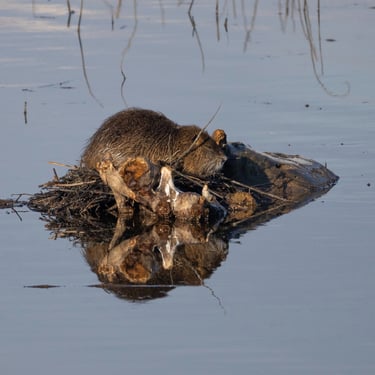
Winter also delivered memorable mammal encounters. Along quiet tracks and open areas we observed Golden Jackal (Canis aureus), with at least 10 individuals recorded over the three days. Even more special were three Wildcat (Felis silvestris) sightings, brief and elusive moments that added a real sense of wilderness to the experience.
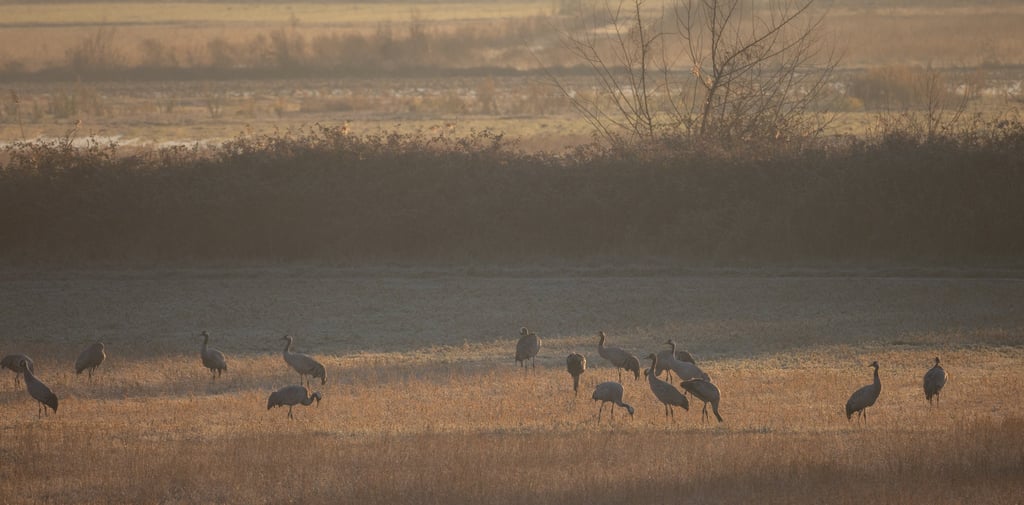
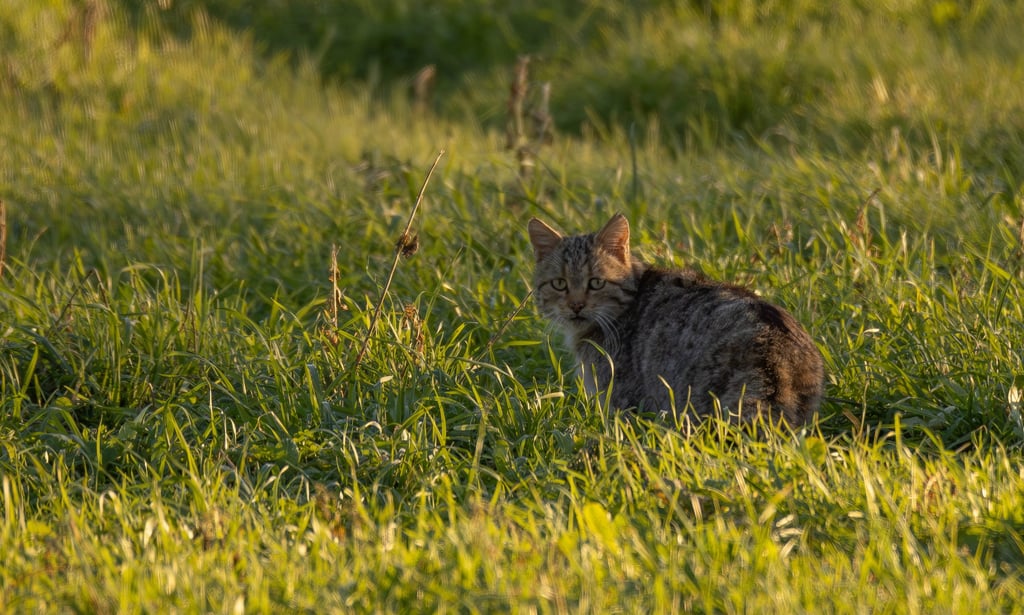
Common Cranes foraging in the fields around Lake Kerkini at first light on a frosty winter morning.
Why Visit Lake Kerkini in January?
exceptional concentrations of wintering birds
iconic species such as Dalmatian Pelican and Greater Spotted Eagle
large numbers of Marsh Harriers
excellent close photography of Pygmy Cormorants
rich winter flocks of finches, including Hawfinch
increased chances of mammal sightings
soft winter light and dramatic atmospheric conditions
fewer visitors and a truly wild feel
For birdwatchers and wildlife photographers alike, winter at Lake Kerkini is not a compromise—it is one of the most rewarding times to visit.
Dalmatian pelicans at Lithotopos
Greater spotted eagle at Kerkini
info@aegeanbirding.gr
© 2025 Aegean Birding. Eyes on Sky. All rights reserved.